
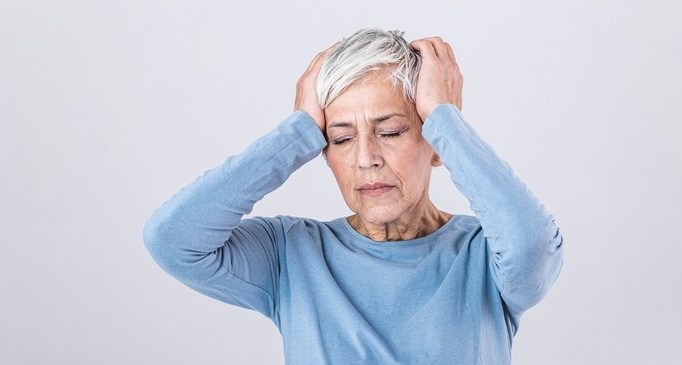
Recognizing the Signs, Understanding Your Options, and Supporting the Older Adults You Love
Medical Disclaimer:
This article is meant for general education and isn’t a substitute for diagnosis, treatment, or advice from a qualified healthcare professional. Always talk to a physician or licensed mental health professional about symptoms, medications, therapy, and treatment decisions.
Call 911 during a medical emergency. If someone is experiencing emotional distress or thoughts of suicide, call or text the 988 Suicide & Crisis Lifeline at 988.
Presented by Just Like Home Adult Day Center:
Just Like Home adult day care center is a trusted provider of compassionate adult day services in Jackson, Wisconsin. Since 2016, Just Like Home has helped older adults and individuals needing extra support during the day stay active, socially connected, and safely cared for through personalized assistance, meaningful activities, nursing oversight, and a secure, ADA-accessible facility.
Overview Summary
Senior anxiety disorders show up as ongoing fear, nervousness, or worry that gets in the way of everyday life. It’s easy to mistake the symptoms for a physical illness, a medication side effect, or just “getting older”, but anxiety disorders are not a normal part of aging.
Treatment can include therapy, medication, healthy routines, staying socially connected, and treating any underlying medical conditions. If anxiety starts changing an older adult’s sleep, appetite, relationships, independence, or ability to do the things they used to enjoy, it’s time to get a professional evaluation.
Table of Contents
- Understanding Senior Anxiety
- Common Anxiety Disorders
- Signs and Symptoms
- Causes and Risk Factors
- Diagnosis and Treatment
- Treatment and Support Comparison
- Industry Data
- Family Support
- Frequently Asked Questions
Introduction
Everybody worries sometimes, that’s normal. An anxiety disorder is something different. It sticks around, it shows up in situation after situation, and according to the National Institute of Mental Health, it can get worse over time and start pulling apart relationships and everyday routines.
Getting older comes with real challenges: health changes, grief, losing some independence, money worries, caregiving stress, or feeling isolated. Those things can absolutely stir up anxiety. But when the worry doesn’t let up, it deserves real attention, not a shrug and an “that’s just part of getting old.”
What Are the Most Common Senior Anxiety Disorders?
Anxiety doesn’t look the same for everyone. Some of the most common forms include:
- Generalized anxiety disorder, constant worry about health, family, money, or everyday responsibilities
- Panic disorder, sudden episodes of intense fear along with physical symptoms
- Social anxiety disorder, fear of being watched, judged, or embarrassed around other people
- Phobias, intense fear tied to specific things, like falling, driving, or medical procedures
- Trauma-related anxiety, fear, avoidance, or distress that follows a frightening experience
Anxiety often shows up alongside depression, dementia, chronic pain, or other health conditions, which is exactly why it can be so tricky to spot.
Warning Signs in Older Adults
Anxiety can show up emotionally, behaviorally, or physically:
- Ongoing worry, fear, or irritability
- Trouble concentrating
- Restlessness or being unable to relax
- Avoiding people, appointments, or activities
- Trouble sleeping
- Racing heartbeat, sweating, or trembling
- Shortness of breath or dizziness
- Headaches or stomach trouble
- Repeatedly asking for reassurance
- Leaning more heavily on family caregivers than before
Chest pain, trouble breathing, or other sudden symptoms need prompt medical attention, they could be a physical emergency, not just anxiety.
Causes and Risk Factors
Anxiety can stem from genetics, brain chemistry, stressful life events, and physical health. For older adults, there’s often more layered on top: medication interactions, chronic illness, losing hearing or vision, limited mobility, grief, and loneliness.
That’s exactly why a professional evaluation matters. Thyroid problems, heart conditions, breathing issues, cognitive changes, and even certain medications can all mimic anxiety symptoms.
Available Treatments for Senior Anxiety
Treatment should always be built around the person, their health, their symptoms, and their current medications.
Psychotherapy, Cognitive behavioral therapy (CBT) helps people spot unhelpful thought patterns and build healthier ways of responding to them. Supportive counseling, relaxation training, and gradual exposure therapy can also help.
Medication, A doctor may recommend medication when it makes sense. Older adults need extra care here, since certain drugs can raise the risk of dizziness, confusion, falls, or dangerous interactions with existing prescriptions. No medication should ever be started, stopped, or changed without a professional’s guidance.
Lifestyle and social support, Regular sleep, appropriate exercise, good nutrition, calming daily routines, and cutting back on caffeine can all support treatment. Meaningful activities and dependable social contact help fight isolation and give the day some structure.
Market Growth & Industry Data
Anxiety touches millions of families. The World Health Organization estimates roughly 359 million people worldwide were living with an anxiety disorder in 2021.
In the U.S., CDC data found that 11.2% of adults 65 and older reported anxiety symptoms during a two-week stretch in 2019. That’s a lower rate than younger adults report, but anxiety can still take a real toll on independence and quality of life for seniors. Review the CDC findings.
Treatment & Support Comparison
| Option | Primary Purpose | Important Consideration |
| Medical evaluation | Identify health or medication-related causes | Often the right first step |
| Psychotherapy or CBT | Change anxiety-producing thoughts and behaviors | Available in person or by telehealth |
| Prescription medication | Reduce symptoms when clinically appropriate | Needs careful monitoring in older adults |
| Relaxation techniques | Support calmness and coping | Works alongside professional care, not instead of it |
| Structured daytime activities | Build routine and engagement | Can reduce isolation and inactivity |
| Family support | Provide reassurance and follow-through | Avoid criticizing or dismissing their fear |
Client Testimonials
“The experience that our family had with your staff was exceptional. The caregivers were reliable, qualified, personable, and went above and beyond in all instances. It was a wonderful experience to have worked with you in the care for my husband. I would recommend your services without reservation for any family that needs reassurance their loved one is in good hands.
Thank you!” — Sally M
FAQs
Does anxiety get worse as people age? Not necessarily. Getting older doesn’t cause an anxiety disorder on its own, though health changes, loss, and isolation can create new stress. Anxiety is treatable at any age. Learn More: GoodRX
What is the best treatment for anxiety in seniors? There’s no single “best” answer. Psychotherapy, especially CBT, is commonly used, and medication may be appropriate after a medical review. Learn more from NIMH.
Can anxiety look like dementia? It can affect concentration, sleep, and memory. But new confusion or cognitive changes always deserve a professional evaluation rather than being written off as anxiety or dementia. See Wikipedia’s overview of anxiety disorders for general background.
How can family members help? Listen without judgment, encourage a professional evaluation, keep routines predictable, and invite the person into activities they can manage. Skip the “just stop worrying”, it never helps. Learn More: Mayo Clinic
Is Reddit a reliable source for anxiety treatment? Reddit communities can offer personal perspectives, including stories from other older adults living with anxiety. But anonymous stories aren’t medical evidence and should never take the place of professional advice. Redditt
Conclusion
Senior anxiety isn’t something to brush off or accept as “just getting older.” Catching it early, getting a proper medical evaluation, and building a treatment plan around the individual can help older adults feel safer and more like themselves again. Structured routines, meaningful activities, and steady social connection can strengthen that treatment even further and genuinely improve quality of life.
If you or someone you love is experiencing thoughts of suicide or a mental health crisis, help is available. Call or text 988 to reach the Suicide & Crisis Lifeline any time.
Sources
This article was independently adapted from public-health information provided by the National Institute of Mental Health, Mayo Clinic, Redditt, Centers for Disease Control and Prevention, Wikipedia, and World Health Organization. No government or international agency endorses Just Like Home Adult Day Center or its services.
Learn More About Just Like Home
If your loved one would benefit from supervised daytime care, enriching activities and social interaction, contact Just Like Home Adult Day Center in Jackson, Wisconsin.
Visit Just Like Home Adult Day Center to learn more or schedule a conversation with our team.
Author Bio:
The Just Like Home Adult Day Center Care Team provides compassionate, person-centered daytime care for older adults and individuals who benefit from additional support and social engagement. Located in Jackson, Wisconsin, Just Like Home offers meaningful activities, nurse oversight, a secure ADA-accessible facility, and a low client-to-staff ratio—giving families confidence while helping their loved ones remain active, connected, and cared for.
Contact Just Like Home Adult Day Center
Website: justlikehomeadultdaycenter.com
Location: Jackson, Wisconsin
Schedule a tour or contact the Just Like Home team to learn more about adult day services.